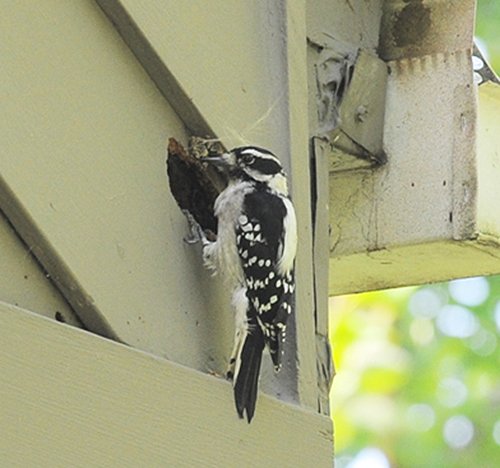
Woodpecker damage to siding is one of the most frustrating surprises homeowners in St. Louis discover each spring. These determined birds don’t peck randomly – they drum for territory, excavate cavities for nesting, and forage for insects hiding in your siding. The result? Holes, rows of perforations, and structural vulnerabilities that compound quickly. Here’s what we’ve learned after installing siding across St. Louis County for over a decade: woodpecker damage is almost never covered by homeowners insurance, and the longer you wait to address it, the faster water infiltration and rot take hold.
This guide covers what woodpeckers are doing to your home, how to spot the damage early, which siding materials actually resist pecking, and what your real repair or replacement costs will look like. If you’re already dealing with woodpecker holes, we’ll walk you through insurance claims, deterrent strategies, and when it’s time to upgrade to damage-resistant siding like James Hardie fiber cement.
Why Do Woodpeckers Attack Your Siding?
Woodpeckers don’t peck siding randomly or out of hunger. There are three distinct motivations, and understanding which one is targeting your home helps you choose the right solution.
Drumming (Territory and Mating). Male woodpeckers drum – rapid-fire pecking that can sound like a jackhammer – to establish territory and attract mates. It’s pure volume and resonance they’re after. Siding that produces a loud, hollow sound is prime real estate. In St. Louis, the Pileated Woodpecker (our largest species, roughly crow-sized) is particularly aggressive during the March-through-May breeding season. You’ll hear it at dawn or dusk. The damage is often a series of small, shallow holes or patches where the bird tested the surface.
Nesting and Cavity Excavation. Once a woodpecker picks a nesting site, it’s all-in. It will carve a deep, rectangular cavity – sometimes several inches deep – into softer wood siding or the wood frames around vinyl panels. Red-bellied Woodpeckers are common cavity nesters in our area. One nest cavity can represent $500 to $2,000 in damage if not caught early.
Foraging for Insects. Downy Woodpeckers and Northern Flickers often peck in search of carpenter ants, termites, and wood-boring beetles. If they’re foraging on your siding, it usually means you already have an insect problem – the pecking is a symptom of a larger issue. This is actually useful information because it tells you to get a termite inspection immediately.
In St. Louis, the species you’re most likely to encounter – according to the Missouri Department of Conservation – are Pileated, Red-bellied, Downy, and Northern Flicker. Each leaves a distinct damage signature: Pileated creates large, ragged holes; Red-bellied makes neat, round cavities; Downy creates small, scattered holes; and Flickers often peck in repeating rows as they forage.
How to Spot Woodpecker Damage on Your Home
Early detection makes all the difference. Small holes are cheap repairs; water-logged siding replacement is expensive.
Visual signs:
- Small, round holes. Usually 1/4 to 1/2 inch in diameter, clustered or scattered across a single wall face or corner.
- Rows of small holes (sap wells). Downies and Flickers peck orderly grids of shallow holes as they hunt insects or access sap.
- Large, rectangular cavities. Carved deep into wood siding; Red-bellied Woodpeckers are the usual culprit. These can be 3 to 6 inches tall.
- Wood chips and debris at the base of the wall. Fresh pecking leaves a trail of freshly splintered wood on the ground or deck below.
Auditory warning signs: Rapid-fire drumming sounds at dawn or dusk. If you hear it, the bird is likely testing multiple spots on your home to find the one with the best resonance. Act quickly – once a bird commits to a spot, it escalates fast.
Secondary damage – the real threat. Holes in siding aren’t the final damage. St. Louis winters are brutal with repeated freeze-thaw cycles. Water gets behind the siding through woodpecker holes, seeps into the sheathing and framing, and over weeks or months causes rot, mold, and structural compromise. We’ve opened up walls to find the woodpecker hole was just the entrance to significant water damage and carpenter ant infestations. The insects follow the moisture. This is why a small hole today becomes a $5,000 repair tomorrow if left untreated through a Missouri winter.
Dealing with woodpecker damage right now? Call 314-952-4158 or request your free estimate – we’ll assess the extent and recommend whether repair or replacement makes sense for your home.
Which Siding Materials Resist Woodpeckers?
Not all siding is equal when it comes to woodpecker resistance. Material choice is the longest-term solution. Here’s how the most common options stack up:
| Material | Woodpecker Resistance | Lifespan | Maintenance | Installed Cost |
|---|---|---|---|---|
| James Hardie Fiber Cement | Excellent | 30–50 years | Low | $8–$14/sqft |
| LP SmartSide (Engineered Wood) | Good | 30+ years | Low–Moderate | $7–$12/sqft |
| Vinyl | Good | 20–40 years | Very Low | $4–$8/sqft |
| Cedar / Wood | Poor (Primary Target) | 15–30 years | High | $6–$12/sqft |
| Steel / Aluminum | Excellent | 40+ years | Very Low | $8–$15/sqft |
The real story: If you’re in a high-woodpecker zone or dealing with repeat damage, fiber cement is your answer. James Hardie fiber cement combines hardness (woodpeckers struggle to make progress), longevity (30–50 years), and low maintenance. As a James Hardie Preferred Contractor, Meridian has installed hundreds of James Hardie projects across St. Louis County – Kirkwood, Webster Groves, Creve Coeur, and beyond. The durability and woodpecker resistance justify the upfront cost when you’re looking at a 40-year lifespan.
LP SmartSide is a solid middle ground – engineered wood with treatment that resists insects and rot, and it’s more affordable than fiber cement while still offering excellent woodpecker resistance. We’re a certified LP SmartSide installer and recommend it often for homeowners balancing cost and durability. For a detailed head-to-head, see our James Hardie vs. LP SmartSide comparison.
Vinyl is budget-friendly and woodpeckers don’t eat it, but thin vinyl panels can be punctured if a determined bird commits, and vinyl won’t last as long in Missouri’s freeze-thaw environment. For a full breakdown of material costs, check our siding replacement cost guide.
Cedar and untreated wood siding are magnets for woodpeckers. If you love the look of cedar, plan on repainting or staining every 3–5 years, dealing with pest damage, and accepting shorter lifespan.
“Alex and his team did an outstanding job on our James Hardie siding. Professional, on time, and the finished product looks incredible. Highly recommend Meridian.”
– Mike R., Kirkwood, 5 ★ Google Review
Does Homeowners Insurance Cover Woodpecker Damage?
Short answer: No, not in most cases.
Standard homeowners insurance policies – State Farm, Shelter, American Family, and other carriers commonly used in St. Louis – classify bird and wildlife damage as a pest or vermin exclusion. The logic: an insurance company can’t insure against every living creature that might peck your house. It’s treated the same way as termite or carpenter ant damage.
However, there’s a nuance: Secondary damage caused by the holes may be covered. If water seeps through a woodpecker hole and causes rot, mold, or structural damage, the water damage portion might fall under your dwelling coverage. This is where documentation becomes critical. If you’re filing a claim:
- Take dated photos of the pecking damage.
- Get a professional inspection report from a contractor (we provide these) that documents the hole, depth, and evidence of water infiltration.
- Report it to your insurance company promptly and ask specifically whether secondary water damage is covered.
Don’t expect the insurance company to cover the pecking itself, but push for coverage on any water damage and rot that resulted from it. Some carriers will compromise here.
The better strategy: invest in preventative material choice upfront (fiber cement) or address small damage before it becomes a water damage claim.
Want to know what new siding would cost for your home? Call 314-952-4158 or request your free estimate – we’ll walk you through material options and real installed pricing.
How Much Does It Cost to Repair Woodpecker Damage?
Costs depend on the scope of damage and how quickly you address it. Here’s what we typically see:
Small Patch Repairs (1–3 holes): $150–$500. A contractor patches individual holes with matching siding material, caulks, and paints. This buys time but isn’t a permanent fix if the bird is determined. On wood or softer materials, repeated pecking will open new holes nearby.
Section Replacement (Single board or limited area): $500–$2,000. If a board has multiple holes, deep cavities, or visible water staining, replacing that section outright is cleaner and more durable. We remove the damaged board, inspect sheathing for rot or insect damage, repair if necessary, install new siding, and finish with caulk and paint.
Full-Side or Whole-Home Re-siding: $3,000–$15,000+ depending on home size and material. If woodpecker damage is extensive, recurring on multiple walls, or the siding is aging anyway, replacement to a damage-resistant material like James Hardie or LP SmartSide is the permanent solution. This isn’t just cosmetic – upgrading to a resilient material stops the problem at its source.
Important cost driver: Water damage behind siding multiplies costs fast. If moisture has been getting in for months, sheathing and framing may need replacement. That $500 repair becomes a $3,000+ project. This is why we always recommend immediate action on visible holes – don’t wait through a St. Louis winter.
Proven Ways to Stop Woodpeckers From Damaging Your Siding
Deterrents aren’t foolproof, but they work best in combination and early in the season (March–April in Missouri) before birds commit to a nesting spot.
Visual Deterrents. Reflective tape, pinwheels, or predator decoys (owls, hawks) can discourage drumming and foraging. Rotate them every week or two – birds adapt to stationary objects. Place them near the damage site or areas where you see fresh pecking activity.
Physical Barriers. Bird netting draped over vulnerable siding areas (especially corners, wood trim, or areas with known insect populations) makes pecking impossible. It’s not pretty, but it’s effective for high-traffic zones. Alternatively, hardware cloth or metal screening can protect wooden trim.
Address Insect Infestations. If the bird is foraging, it’s hunting for food. Get a termite and carpenter ant inspection. Treat the infestation, and the foraging stops. This is especially important in older homes or those with moisture history.
Noise and Sound Deterrents. Devices that emit predator calls or intermittent noise can help, though birds adapt. Use them seasonally (spring breeding season) for best effect.
Timing Matters. Peak woodpecker activity in St. Louis is March through May (breeding and nesting season). If you’re going to install deterrents or address vulnerabilities, do it in late February or early March before birds are actively drumming and cavity hunting.
None of these are permanent solutions if your siding is appealing to woodpeckers. The most reliable long-term fix is replacing with fiber cement or treated engineered wood that resists pecking.
When It’s Time to Replace Instead of Repair
There’s a tipping point where repair costs and recurring damage make replacement the smarter financial choice.
Replace if:
- Multiple repair patches on the same wall or home. You’re spending $500–$1,000 patching the same areas repeatedly. The material is the problem.
- Evidence of water damage or rot behind the siding. Once moisture is inside the wall cavity, repair patches won’t stop further damage. Full replacement with proper sheathing and weather-resistant barriers is necessary.
- Recurring woodpecker activity on the same sections despite deterrents. The bird has committed to your home. Changing the siding material removes the incentive.
- The siding is aging anyway. If your current siding is 20+ years old and showing other wear, combine the woodpecker problem with a planned replacement. The cost per year drops significantly over a 40-year James Hardie lifespan. If you just need a few boards patched, our siding repair team can handle that too.
In our experience, homeowners who wait and patch small damage end up spending more overall than those who replace to fiber cement or engineered wood upfront. The material choice pays dividends in durability, weather resistance, and freedom from pest damage.
Ready for a permanent solution? Call 314-952-4158 or request your free estimate – no pressure, just honest pricing and expert advice on what’s right for your home.
Get a Free Siding Estimate
If woodpecker damage has you thinking about new siding for your St. Louis home, Meridian provides free on-site inspections with transparent, itemized estimates. We’ll assess the damage, recommend the right material for your home and budget, and give you honest numbers – no pressure, no surprises.
We hold certifications as a James Hardie Preferred Contractor and LP SmartSide Preferred Contractor, and we’ve completed hundreds of siding projects across Kirkwood, Webster Groves, Creve Coeur, and throughout St. Louis County. Your home deserves material and craftsmanship that lasts.
Call us at 314-952-4158 or request your free estimate online.
Woodpecker Damage FAQs
Q: Will homeowners insurance cover woodpecker damage to my siding?
Most homeowners insurance policies exclude bird and wildlife damage as a pest exclusion. State Farm, Shelter, American Family, and other carriers treat woodpecker damage the same as termite or ant damage – it’s not covered. However, if water seeps through the holes and causes secondary damage (rot, mold, water staining), that secondary damage may be covered under your dwelling protection. Document everything and contact your insurer to ask about secondary damage coverage. Don’t expect them to cover the pecking itself.
Q: What type of siding is most resistant to woodpeckers?
James Hardie fiber cement and steel or aluminum siding offer excellent woodpecker resistance because they’re hard and provide no food source or cavity potential. LP SmartSide (engineered wood) offers good resistance due to its treated composition and density. Vinyl is resistant to pecking but can be punctured by determined birds. Cedar and untreated wood siding are magnets for woodpeckers and should be avoided in high-activity zones. For the best combination of durability, aesthetics, and woodpecker resistance, we recommend James Hardie fiber cement.
Q: How much does it cost to repair woodpecker holes in siding?
Small repairs (1–3 holes) cost $150–$500. Section or board replacement runs $500–$2,000. If damage is extensive or recurring, full-side re-siding costs $3,000–$15,000+ depending on home size and material. The key factor is timing: small holes caught early are cheap; water-logged siding and framing damage multiplies costs significantly. In our experience, addressing damage promptly saves money long-term.
Q: Can I patch woodpecker damage myself?
Small surface patches are possible if you have basic carpentry skills – caulk and paint can hide minor holes. However, we don’t recommend it for several reasons: matching siding color and texture is difficult, deeper holes require proper sheathing inspection (water damage risk), and without addressing the underlying material weakness, the bird will peck nearby areas. A professional inspection and repair ensures the damage is properly sealed and the underlying structure is protected from moisture.
Q: Why do woodpeckers keep coming back to my house?
Woodpeckers return because your siding provides what they need: good resonance for drumming (territory), soft wood for cavity nesting, or insects to forage. Once a bird identifies your home as a prime location, it will escalate damage rapidly. Deterrents help, but the most reliable solution is replacing the siding with a material that doesn’t provide these attractions – fiber cement, steel, or treated engineered wood. Also check for carpenter ants or termites; if the bird is foraging, it’s hunting insects inside or on your wood.
Q: What time of year are woodpeckers most active in Missouri?
Peak woodpecker activity in St. Louis is March through May, the breeding and nesting season. Pileated, Red-bellied, and other species are most aggressive during this window. If you hear drumming sounds at dawn or spot fresh pecking, act immediately. Install deterrents, contact a contractor for repair, or plan a replacement before the bird establishes a nest cavity. Late summer and fall see reduced activity, though some foraging continues year-round.
Have more questions about woodpecker damage or siding options? Contact Meridian for a free consultation. We’re here to help St. Louis homeowners protect their homes and make smart material choices.